
- Transportation
Transporting Your Horses? Know the Rules Before You Load Up
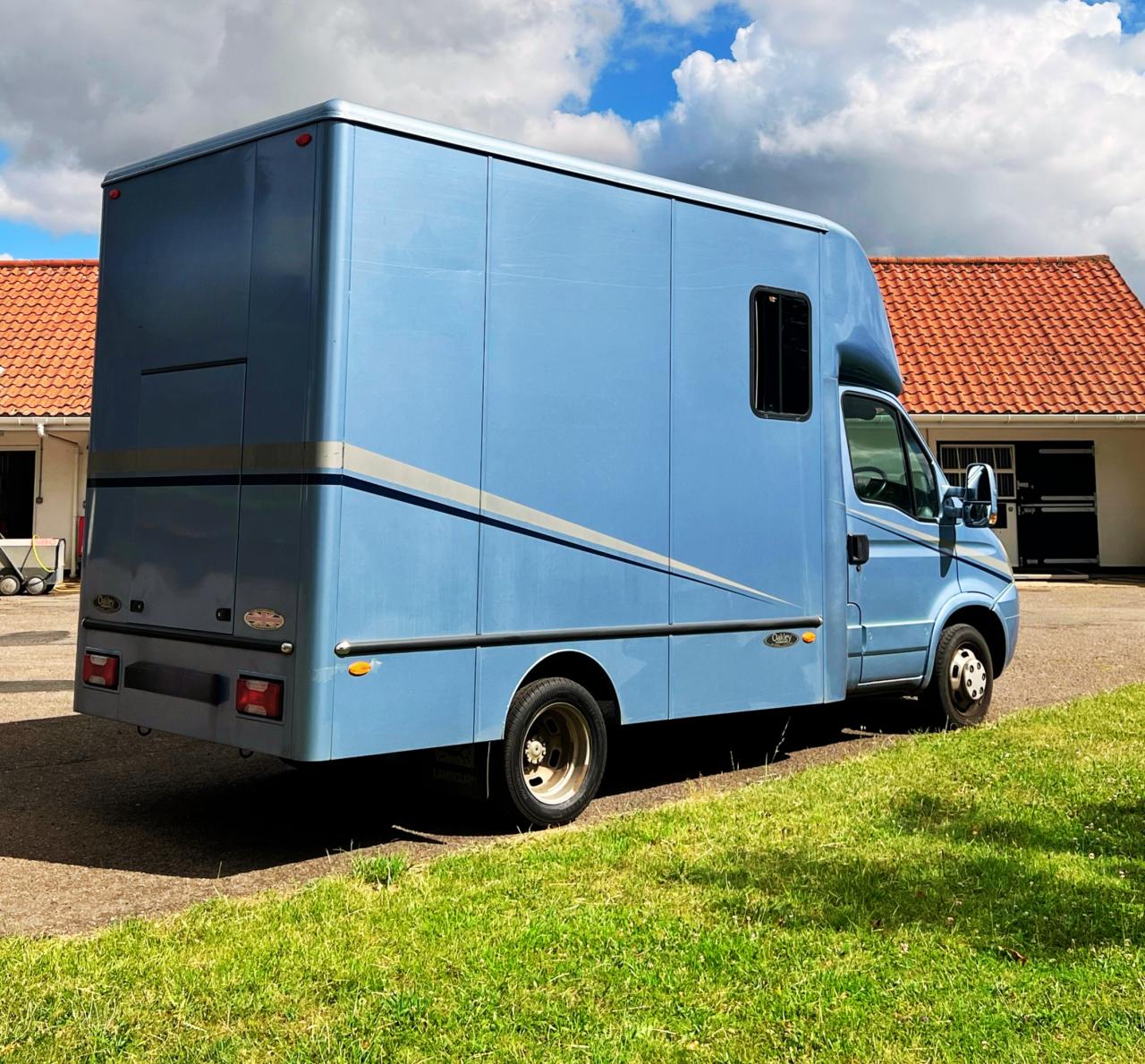
Moving horses - whether it's a mare heading off to be covered, a yearling going to the sales, or more generic horse movement - comes with more legal responsibility than most people realise. Rules on both sides of the Channel are changing, and getting caught out isn't just inconvenient, it can mean serious fines. Here's what every breeder and stud employee should know.
Check your two-box weight.
It's easy to underestimate how much a loaded horsebox actually weighs. Two horses, the people travelling with them, a full tank of diesel, water and tack all add up - and a standard two-box may not legally be able to carry it. If you're stopped and weighed with horses on board, that's a very different (and stricter) situation than an empty vehicle being checked, and the penalties for being overweight are significant. Before a long trip, it's worth knowing your vehicle's actual payload capacity, not just assuming it'll be fine.
Tachographs are coming for 3.5-tonne vehicles.
Tachographs - the devices that record a vehicle's speed, distance and driver hours - aren't yet compulsory in the UK for this size of vehicle. But new EU rules require non-EU vehicles entering France or Ireland to have one fitted. If you regularly travel into Europe, budget for this: a retrofit costs in the region of £3,000, on top of driver digital cards, CPC certification and the software needed to download the data.
Employing a driver? Driver's hours rules apply.
If someone drives horses for you as part of their job, the same driver's hours regulations that apply to any commercial driver apply to them too: a maximum of nine hours' driving a day (extendable to 10 twice a week), with a 45-minute break required after every four-and-a-half hours behind the wheel. It's an area many studs haven't traditionally thought about, but it is a legal requirement, not a guideline.
Welfare certificates aren't optional for commercial journeys.
Any commercial journey - a mare travelling to be covered/yearling to the sales - requires the driver to hold a welfare certificate. This applies regardless of distance, so it's worth checking your drivers are covered before you assume they are.
A UK certificate doesn't work in the EU.
If you're travelling to Ireland or France, your existing UK driver and vehicle certification won't be accepted. You'll need separate EU certification for both, so build the time to sort this into your planning well ahead of any cross-Channel trip.
Long journeys need fans and temperature monitoring.
For commercial journeys over eight hours, the vehicle itself has to meet welfare standards - as a minimum, that means ventilation fans and equipment to monitor temperature throughout the trip.
Want to go deeper?
This overview draws on a recent episode of the Thoroughbred Breeders' Association podcast, featuring Kevin Needham and Sandra Harper from BBA Shipping, available on all major podcast platforms. Click HERE to listen.
For a practical walkthrough of transporting mares and foals specifically, there's also a dedicated video available on TB-Ed. Click HERE to view.